Where roofs actually leak
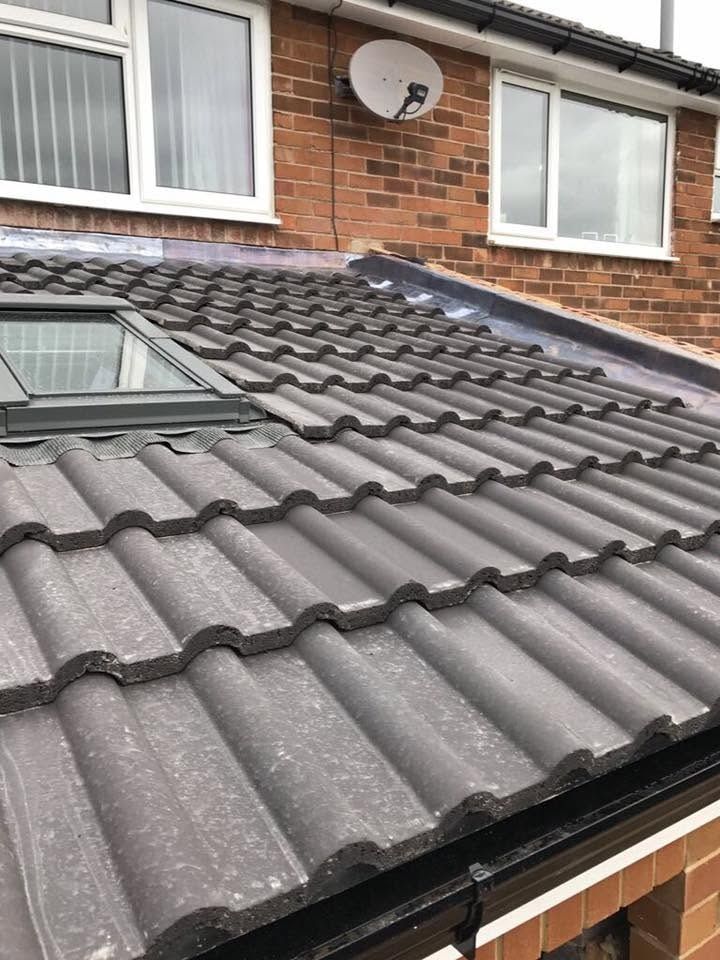
Most roof leaks do not come through the tiles. They come through the lead: a flashing that has split or pulled away, a soaker that was never fitted, a valley worn thin, a chimney apron dressed too short. Lead detailing is skilled work, and it is where cheap roofing fails first. Sealant and stick-on flashing tape are sold as fixes; neither lasts, and both make the proper repair harder when it finally comes.
The other weak point is the roofline. Timber fascias rot from the top edge, often where the felt behind the gutter has perished and drips onto the board. Once the timber softens, gutter brackets lose their fixing, joints open up and water runs down the wall.
Our approach
Lead moves with temperature, so it has to be fixed in a way that lets it. We use the correct code of lead for each detail, laid in short lengths with proper laps, dressed into the masonry joints, then wedged and pointed. Chimneys get an apron, stepped flashings and a back gutter formed properly. Abutments on slate and plain tile get individual soakers under a cover flashing. Valleys are stripped, the boards checked, and the new lead laid to correct laps and lengths.
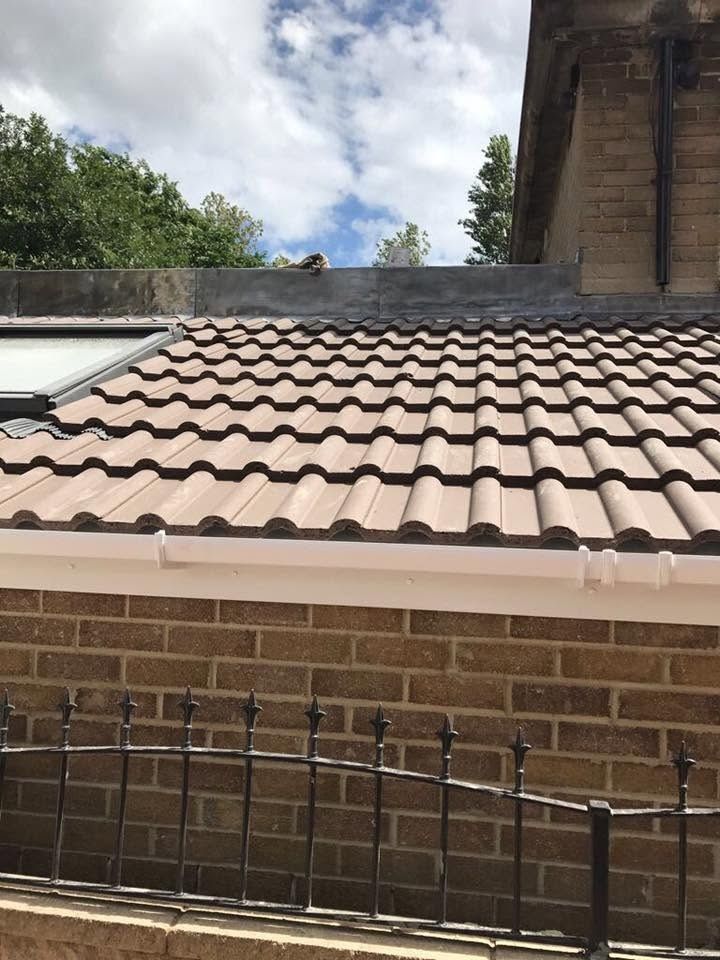
On the roofline, we strip back to sound timber, replace anything rotten, and fit uPVC fascias and soffits with roof space ventilation maintained. New guttering goes on at the right fall, with outlets where the water actually needs to go.
Worth doing while the scaffold is up
Older houses across Leeds often still carry their original timber roofline, and boards of that age are usually paint over soft wood. If we are already scaffolded for a re-roof or a repair, renewing the fascias, soffits and gutters at the same time is the cheapest it will ever be. We price it as a separate item so you can take it or leave it.